Lock-In & Goals: A Gentle Framework For Goal-Setting in 2026 - BriCember Day 11
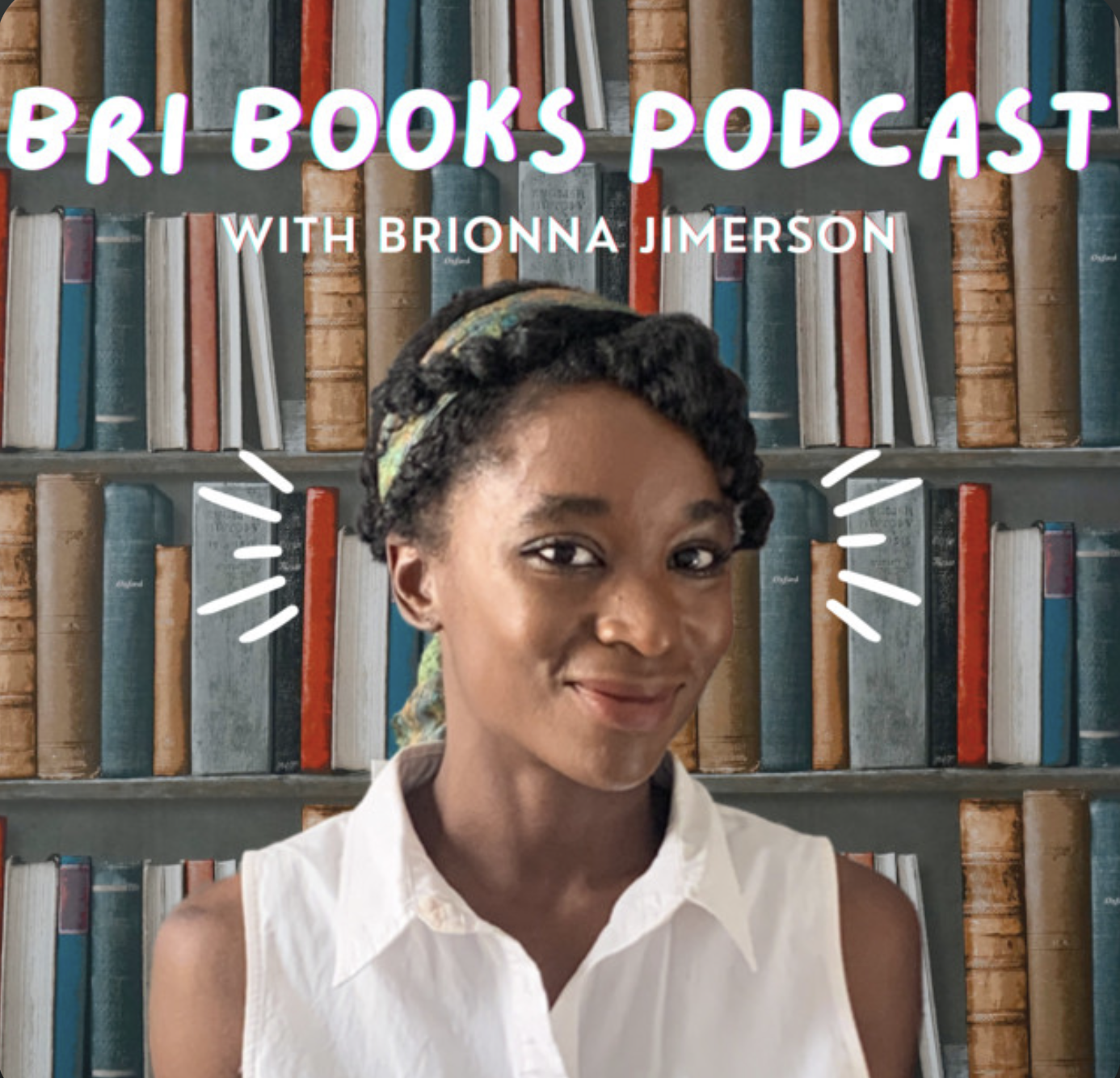
Welcome back to Bri Books!This episode of Bri Books is about locking in. Not chasing. Not manifesting yet. Not reinventing your entire life. We talk a lot about goals, but rarely about how to choose direction before movement. Lock-in means deciding where you’re headed before you start rowing. If you listened to the Winter Reset episode, this is the natural next step. Softness created space. Now we decide what fills it. If you’re new to the show, leave a review of Bri Books on Apple Podcasts, and listen to Bri Books on Apple Podcasts and Spotify.Please tell me where you’re traveling to by using #bribooks on Instagram and subscribe to the Bri Books newsletter at bribookspod.com/newsletter.
This framework is designed to help you set goals that can be assessed and revised, not failed.
If you’re listening along, pause here if you need to. This episode works best with a notebook.
Step 1: Choose Your Goal Areas
Start by writing down three to five areas of your life that matter most right now. Not ten, not everything, just. few. These are containers, not goals. Examples might include career, creative work, health, money, relationships, home, or learning. Write your own list. These areas simply hold your attention--they don't demand outcomes (yet).
Step 2: Understand Rudders and Oars
This entire framework rests on two ideas: Rudders determine direction. Oars create movement. A rudder is not a task or a dream. A rudder answers: What direction am I steering this part of my life in? An oar answers:
What am I actually doing, regularly, to move? You need both. Without a rudder, you row in circles.Without oars, you drift.
Step 3: Set Your Rudders (Directional Language)
For each life area, write one sentence that defines direction.
Rudders are written in the present tense. They're directional, not outcome-based, and free from numbers, pressure, or deadlines. They describe orientation, not achievement.
Examples of structure:
“I am steering my career toward work that values ___.”
“I am orienting my health around consistency, not intensity.”
“I am prioritizing creative output over perfection.”
Now write yours. Leave space—you’ll revisit them.
Step 4: Define Your Oars (Action Language)
For each rudder, choose one to three oars only. Good oars are repeatable, realistic, and observable
They sound like "I write for 60 minutes, three times a week”, or “I review finances every Sunday”, or “I submit one pitch per month.” They do not sound like “Be disciplined," “Try harder”, or “finally get it together." Your oars should be specific enough that you can tell whether you did them—without judgment.
Step 5: Lock-In Means Review, Not Perfection
Lock-in doesn’t mean committing forever.
It means: you write it down, you work it, you assess it, and you revise it quarterly. If something isn’t working, that’s not failure—it’s information.We’ll go deeper into the review process in the Year-in-Review episode.
What Comes Next
Once direction and movement are defined, the next step is learning how to work with desire and intention without forcing outcomes.That’s where we’re headed next: manifestation journaling—slow, grounded, and pressure-free.
If you’re new to the show, leave a review of Bri Books on Apple Podcasts, and listen to Bri Books on Apple Podcasts and Spotify.Please tell me where you’re traveling to by using #bribooks on Instagram and subscribe to the Bri Books newsletter at bribookspod.com/newsletter.