Austrian Wines 101: Blaufränkisch, Burgenland & the Hills of Steiermark - BriCember Day 4
Austria is one of Europe’s most compelling wine countries — and also one of its most overlooked. Known for indigenous grape varieties, strict quality standards, and a deep commitment to sustainable farming, Austrian wine offers clarity, balance, and a strong sense of place. In this episode, we dive into Austrian wine — one of Europe’s most exciting and under-discussed wine regions. From Burgenland’s signature red grape Blaufränkisch to the steep hillside vineyards of Steiermark, this episode explores what makes Austrian wine so distinctive, sustainable, and food-friendly. I shares firsthand experiences from a Wein Burgenland seminar, break down key regions, and highlight my favorite Austrian red and orange wines to know right now.
Why Austrian Wine Matters
Austria sits at the crossroads of Western and Eastern Europe, bordering Germany, Italy, Switzerland, Czechia, Slovakia, Hungary, and Slovenia. That geographic position shapes its wine culture — one rooted in tradition, precision, and environmental responsibility.
Austria consistently ranks among the leaders in organic and biodynamic viticulture within the European Union. The Austrian Winegrowers’ Association and the DAC classification system help protect regional identity while supporting small, family-run producers.
The result is wine that feels intentional, expressive, and closely tied to where it’s grown.
Blaufränkisch: Austria’s Signature Red Grape
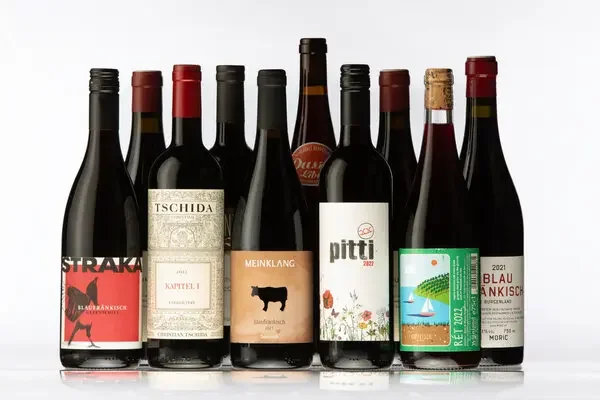
Blaufränkisch is the backbone of Austrian red wine. Known for its peppery spice, bright acidity, and structured yet lightweight profile, it offers depth without heaviness. It pairs easily with a wide range of foods, including pasta, poultry, vegetables, seafood, and tomato-based dishes.
Blaufränkisch thrives in Burgenland, Austria’s easternmost wine region, where sunshine, limestone soils, and the moderating influence of Lake Neusiedl create ideal growing conditions.
Burgenland: The Heart of Austrian Red Wine
Burgenland is known for warmth, generosity, and structure. It is home to some of Austria’s most expressive red wines and plays a central role in defining modern Austrian wine.
Steiermark: Wine from the Hills, with Hand and Heart
Steiermark is defined by steep hillsides, erosion-shaped vineyards, and limestone-rich soils. Many vineyards are too steep for machines, meaning much of the work is done by hand. That physical effort translates into wines that feel precise, restrained, and deeply intentional.
Steiermark wines — particularly those from Südsteiermark DAC — are known for clarity, tension, and balance. They don’t rely on weight or oak to make an impression. Instead, they express slope, soil, and altitude with quiet confidence.
Favorite Burgenland Wines:
Blaufränkisch & Red Wines
Erich Sattler St. Laurent 2020 , Imported by Zev Rovine in NY
Judith Beck Blaufränkisch 2021, imported by Zev Rovine in NY, shop here
Markus Altenburger Blaufränkisch vom Kalk 2020, imported by Jenny and Francois Selections
Regions Discussed
My favorite Austrian wine links and resources
In this episode, we cover:
Why Austria is one of Europe’s best-kept wine secrets
Austria’s commitment to organic and environmentally conscious viticulture
The role of the Austrian Winegrowers’ Association and the DAC system
What makes Blaufränkisch Austria’s most important red grape
Why Burgenland is the heart of Austrian red wine
Steiermark wines: hillside vineyards, limestone soils, and hand-harvested precision
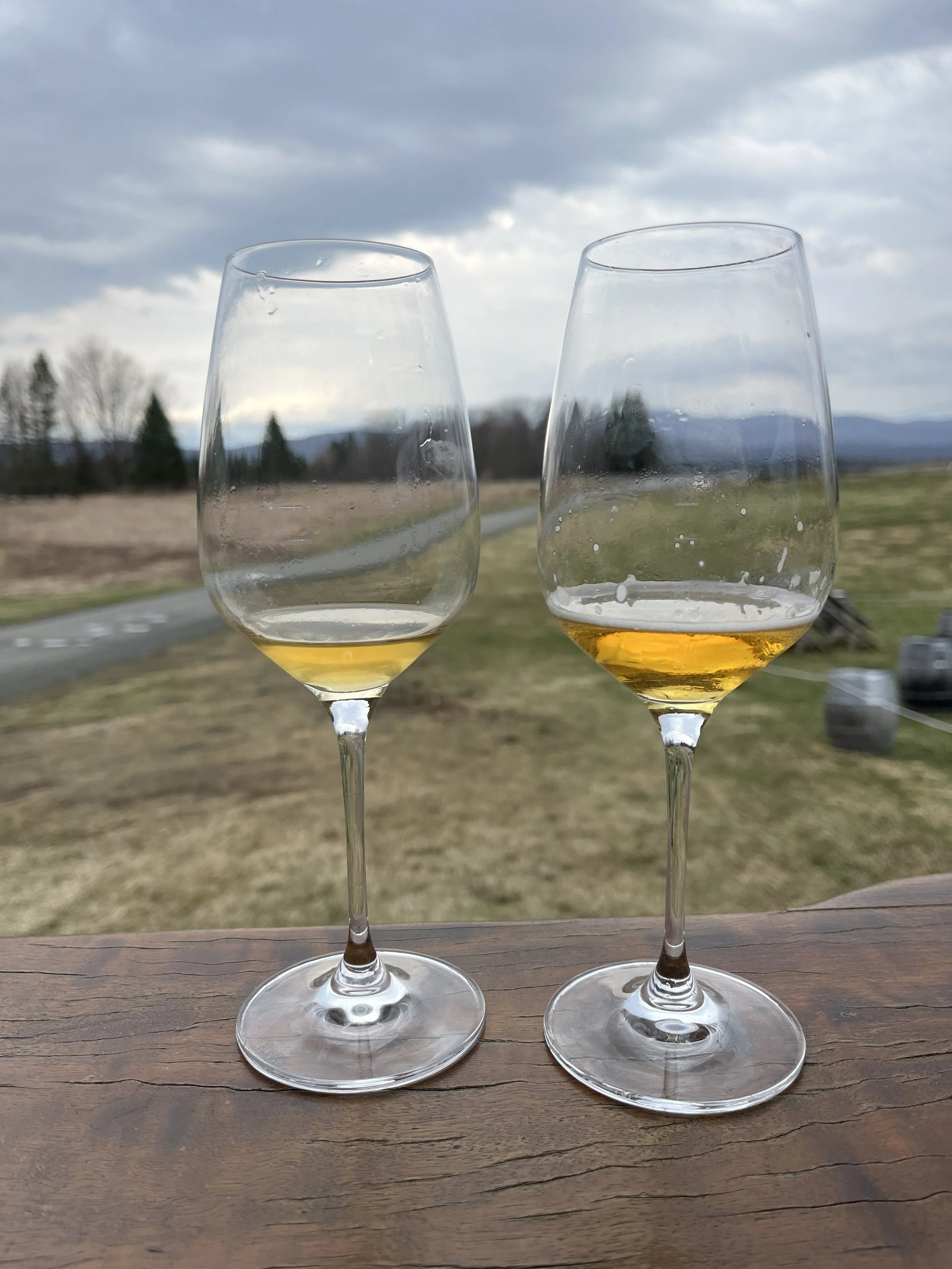
Austrian orange wines and why Austria excels at skin-contact whites
Follow & Subscribe to Bri Books!
Listen to Bri Books on Apple Podcasts and Spotify. Leave a review if you’re enjoying the show.
Tell me what you’re drinking using #BriBooks on Instagram, and subscribe to the newsletter at bribookspod.com/newsletter.