How to Build a Wine Menu + Do an At-Home Wine Tasting: BriCember Day 3
Welcome back to Bri Books! When you’re hosting, choosing wine can feel daunting. Whether it’s a dinner party, work event, last-minute gathering, or impromptu holiday shenanigans, here’s the simple framework I rely on that never fails.
In this episode, we’ll cover:
The three-bottle wine buying formula (red, white, wildcard)
How to taste wine at home: My 4 Pillars of Place: Temperature, Terrain, Soil, and Touch
How to build a wine list for parties or dinner
How to Build a Wine Menu: Bri’s 3-Bottle Formula
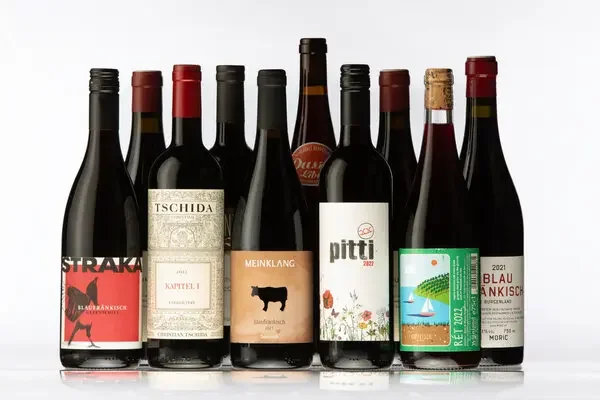
To avoid overwhelm at the wine shop, use this formula:
One white wine
One red wine
One wildcard.
That’s it. Simple, flexible, and stress free. Let’s dig in:
Crisp white as the Opener. This white wine is your opener—the bottle people drink while they arrive, settle in, chat, and snack. White wins are crisp, flexible, and food-friendly. I look for wines with high acidity and good minimality, the kind that leave you gently puckering and refreshed. A crisp white wine creates an immediate sense of ease and joy at the table. My go-to white wine categories:
Chablis
Gruner Vetliner
Albrino
Sauv blanc, from Loire
Why this works:
These wines pair well with almost anything: cheese, vegetables, oysters, seafood
They don’t overpower food
They make excellent aperitif wines
They set the tone for the meal by brightening flavors and waking up the palette
Red wine as the main event. Your red wine is your main event. You’re looking for a crowd-pleaser that’s food friendly, adaptable, and easy to drink. it can be tempting to bring a big, heavy, dramatic, oak-driven red-but gatherings call for something more communal. Look for reds with:
Medium body
moderate tannins
high drinkability
Red wines I recommend:
Boujulais
Tempranillo (especially rioja joven)
Etna Rosso reds
Cotes du Rhone
These red wines shine with soups and stews, tomato based dishes, roasted vegetables, poultry, and cozy winter meals.
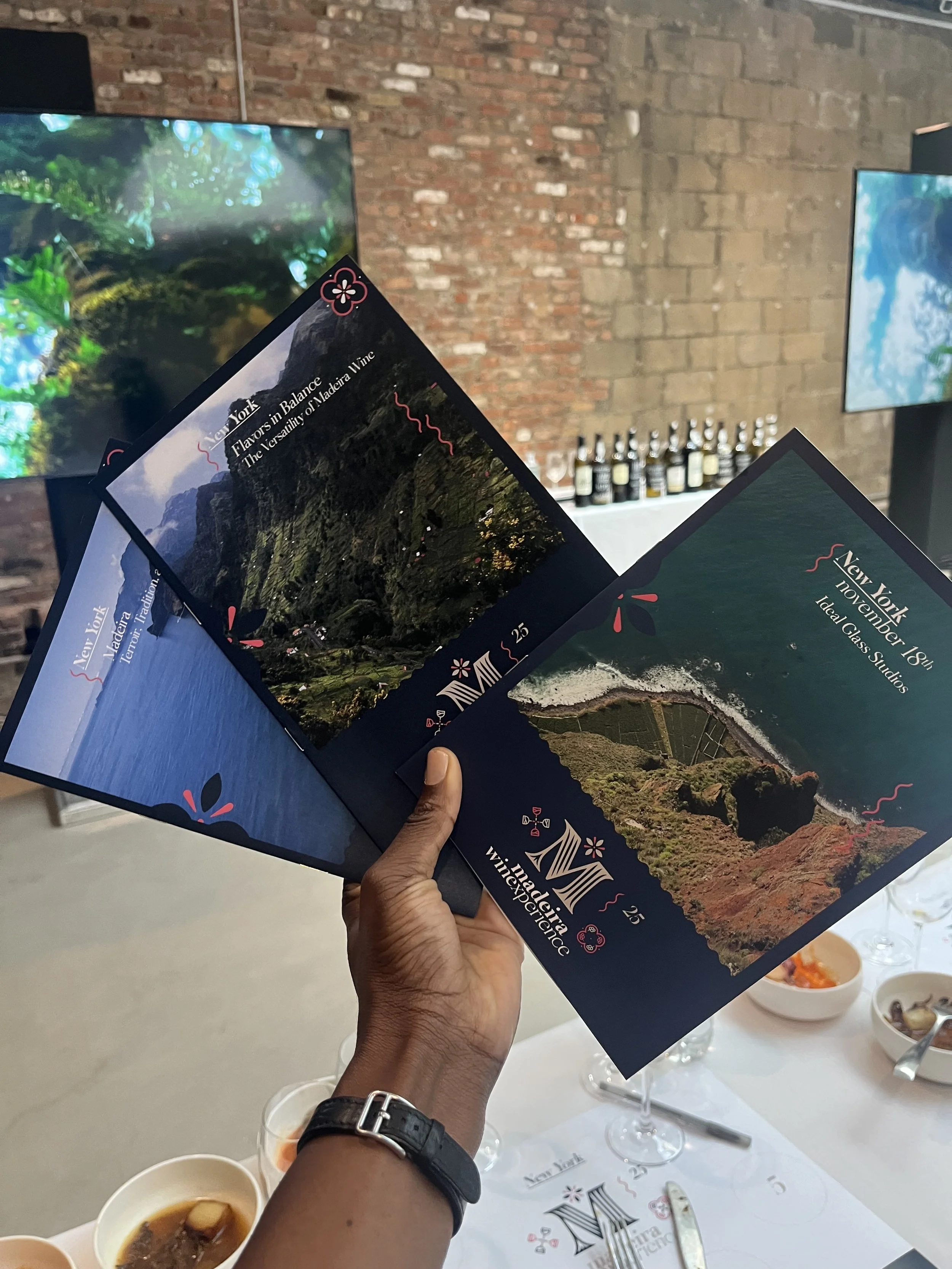
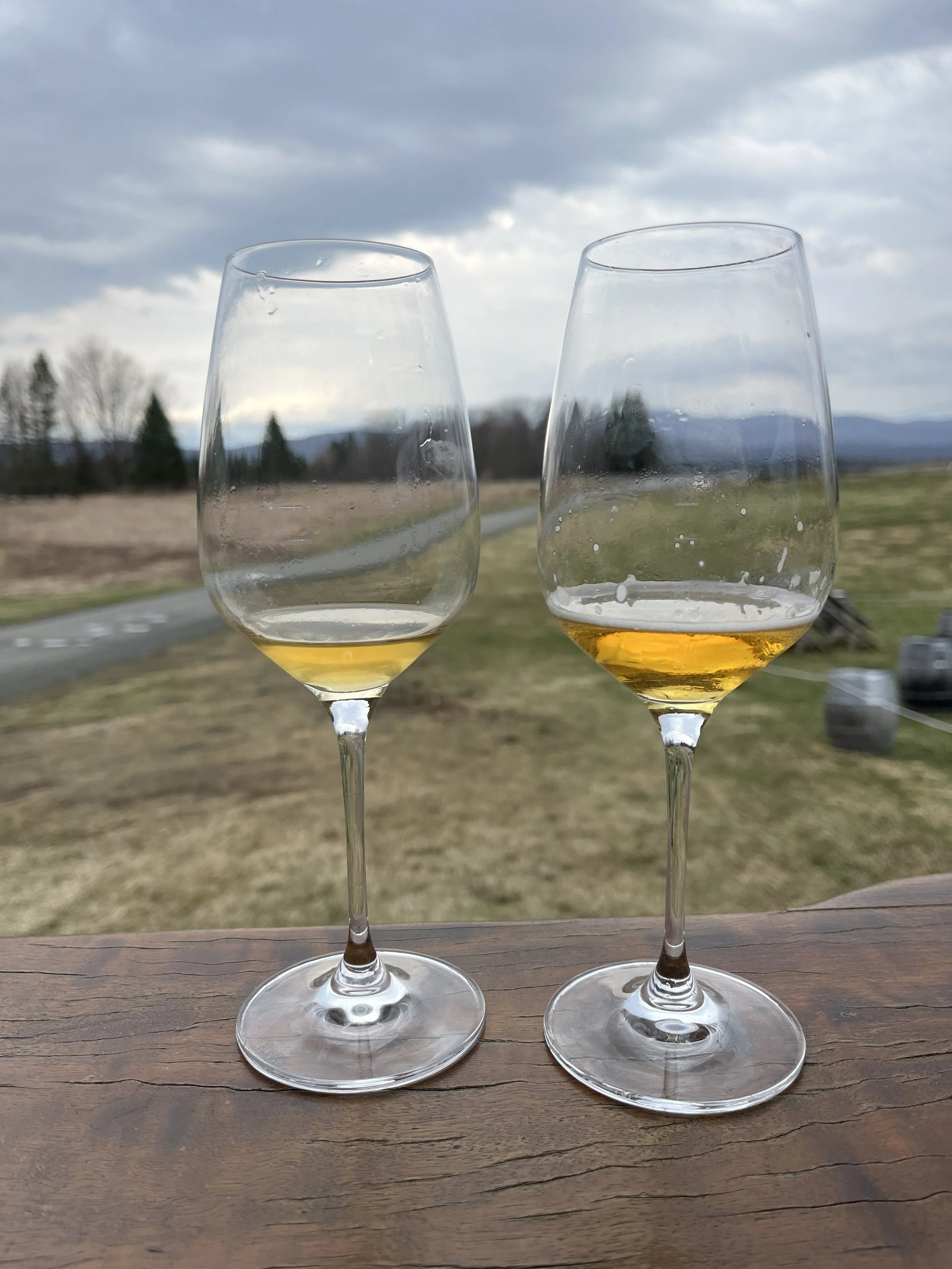
The wildcard: the personality hire wine. Go for an orange wine, a sparkling red like Lambrusco, a pet-nat, or a liter bottle of something fabulous and weird like a Madiera dessert wine. Bubbles are always a win. A dessert wine course moves your guests through the final stages of the evening, and a liter bottle keeps things flowing. Use the wildcard to spark conversation about what there wine comes from, how it’s made, and why it tastes the way it does.
How to Do an At-Home Wine Tasting Using the 4 Pillars of Place
My 4 pillars framework helps you understand where your wine comes from, even without the label.
Temperature: Look at the wine. Color intensity can give you climate clues.
Terroir: Smell the wine. Aromas reflect whether grapes grew near the sea, mountains, forests, or plains
ltitude = floral, lifted flavors
Warm climate = ripe, deeply drinkable
Coastal = salty, breezy, fresh finish
Mountain = Sharp, linear, mineral
Valley floor = lush, smooth
Volcanic = smoky, stony, earthy flavors
Soil: Taste the wine. Texture reveals the soil type. As a reminder:
limestone = chalky, saline wine
Volcanic = smoky, ashy flavors in the wine
Granite = crunchy, bright, often ‘cool’ flavors in the wine
Clay = smooth, plush, slightly pucker-y in flavor
High a
Touch: Notice winemaking styl. Is it bright? Clean? Raw? Heavy sediment? Is it sharp? Does it grip? Touch is the easiest pillar to learn and the quickest path to understanding what you like.
How to Build a Wine Menu + How to Build Your Wine Knowledge Intentionally
Follow local wine shops and their newsletters: One of the easiest ways to stay in the loop is to follow local wine shops and natural win bars on social media, or newsletters. Any time I move or visit a new neighborhood, I look up the closest natural wine bar, the most interesting bottle shop, their IG accounts and their newsletter signups. Shops announce new releases, free tastings, special imports, staff picks and seasonal changes. this is a real secret to discovering wine without having to do any heavy lifting.
Create your personal “wine library”: Your phone is your best wine tool. Whenever you try a bottle you enjoy, snap ap photo of the label; drop it into a saved album or add it on Pinterest or an Instagram Story highlights. This becomes your personal wine memory bank, a way to build instincts without memorizing anything.
Choose a budget and don’t budge: Before you even walk into the shop: decide: 3-4 bottles for $50, or $12-$15 per bottle? Budget creates clarity. You won’t get distracted by pretty labels or panic-buy the expensive bottle by the register, if you go in with a plan.
Let your weekly meals guide you: Think about what you’re actually eating that week. Pasta? Have a red on deck. Chicken, veggies or fish? Keep whites or rose. Tomato dishes love something bright, and cozy reds are great for hearty meals and pot roasts. This practice makes wine more functional.
Add a liter bottle for value and ease: I love to go with a liter bottle, which is great for people who want wine that lats several nights. anyone who needs a ‘house red’ is in luck when it comes to tier bottles.
Ask what’s new and Tate seasonally: Wine is seasonal like produce. when you shop in store, ask, “What’s new? What came in this week? What’s your sleeper pick under $20?” This gets you small importer finds, seasonal gems, and wines with little to no marketing.
Listen to Bri Books and find @BrionnaJay on Instagram. You can always find Bri Books on Spotify and Apple Podcasts, and at bribookspod.com.